
Virtual Reality in Entertainment
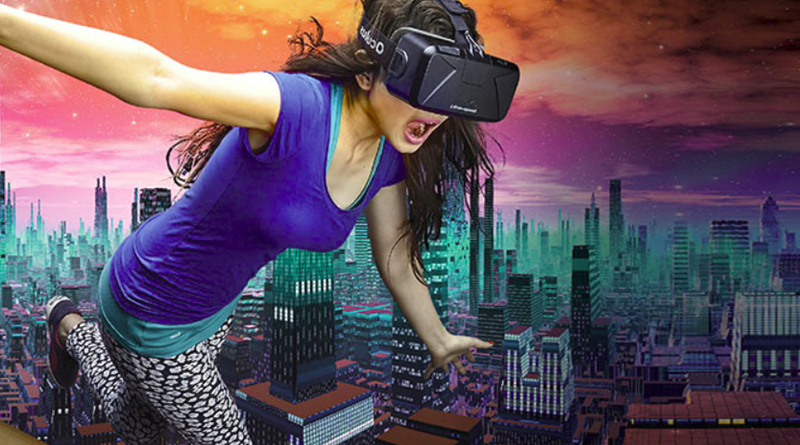
Entertainment was the first place most people met virtual reality, and it remains the sector where the technology is most visible. Games, films, museums, theme parks and live music have all found ways to place the audience inside the action instead of in front of a screen. This article surveys the main areas.
What counts as VR entertainment
At its core, VR entertainment means pairing simulated visuals with sound so that a person feels present in a scene. The scene might be a fantasy battlefield, a film set, a historical gallery or a stage. Sony’s PlayStation VR, a first-generation headset made to work with its consoles, is one well-known product of this kind, and it brought immersive play into many living rooms.
Gaming leads the market
Gaming accounts for the largest share of VR revenue. The original article quoted figures of roughly five billion US dollars for the global VR gaming market in 2019 and a forecast of about forty billion by 2024, citing a news-release service. Forecasts like this are uncertain and often reflect optimistic assumptions, so treat them as indications of direction rather than facts. The article also said PlayStation VR had earned its maker close to two billion dollars.
Headsets can be costly, which means not every player can buy one. To widen access, some shopping centers and entertainment venues now host VR rooms where visitors pay to try games and demos on shared equipment.
Immersive theater
In immersive theater, the audience wears headsets or moves through staged spaces where they can influence what happens. Rather than sitting still and watching actors on a stage, people take part. Productions of this kind draw strong interest because the experience feels personal, and producers see them as a way to attract new audiences.
Museums
Some museums offer mobile or headset experiences that bring exhibits to life. A visitor might examine ancient objects or a dinosaur skeleton from any angle. The approach is similar to the 360-degree tours used for property. It also eases crowding: when a famous work draws a long line, many people can view it virtually at once. Museums also use VR to share their collections with people who cannot visit.
Gaming experiences
Headsets such as the Oculus Quest, HTC Vive and PlayStation VR let players step into adventure and shooter games with hand controllers. Titles named in the source include Beat Saber, Budget Cuts 2, Danger Goat and Everybody’s Golf. Genres range from rhythm and sports to puzzles and action.
Amusement parks
Parks compete for visitors, and VR provides a flexible way to refresh rides without rebuilding them. A coaster can offer a different theme each season, for example a spooky story around Halloween. Changing the content is cheaper than changing the track.
Concerts and festivals
Large festivals such as Lollapalooza, Sziget and Coachella have offered VR performances, and individual artists have experimented with live streams in 360 degrees. Fans who cannot attend get a view of the stage, and some experiences let people visit places linked to artists, such as recording studios.
The bigger picture
Entertainment is a crowded field, and companies that adopt new delivery methods stand a better chance of winning attention. VR offers flexibility and creative freedom, from fantasy worlds to realistic simulations. Gaming is likely to stay the main driver, but film, music, theme parks and theater continue to grow. As headsets become lighter and cheaper, more people are likely to try them.
Choosing a first experience
If you are new to VR, start with something short and comfortable. Rhythm and puzzle games tend to cause less motion discomfort than fast-moving action titles. Try a demo at an arcade or a friend’s home before you buy a headset, and make sure the play area is clear of furniture. Take breaks every half hour, and stop if you feel unwell.
Challenges for the industry
Content costs are high, headsets still need cables or charging, and some people feel dizzy. Studios must also find stories that work in 360 degrees, because camera moves and cuts that are standard in film can be disorienting in a headset. Venues have to train staff and keep equipment clean. Despite these hurdles, steady improvements in comfort and graphics keep drawing new users.
What to watch next
Social VR, where friends gather in shared virtual spaces to watch events or play together, is a growing area. So are hybrid experiences that combine live performance with a virtual audience. Both depend on faster networks and better avatars, which developers are actively working on.
Related reading: fun facts about VR and VR statistics.