
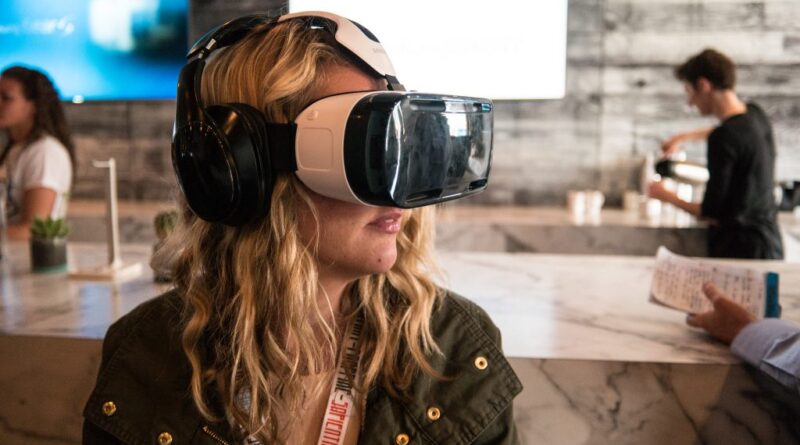
Virtual Reality in Travel and Tourism
Virtual reality drops a person into a convincing three-dimensional scene, and few industries have as much to gain as travel. Headsets have been improving for years, with better graphics, motion tracking and comfort, and travel brands are testing what that means for the way people choose and enjoy a trip. This article looks at the main uses, the benefits and the limits.
Early experiments
Travel has been a testing ground for VR for several years. Startups and large companies built travel-themed experiences long before the technology reached the mainstream. One example from 2018 let visitors to Paris fly over the city with a virtual jetpack, giving them a taste of how a headset can serve as a new kind of attraction.
Travel businesses also depend heavily on presentation. Airlines, agencies and hotels have long relied on flat photos and printed brochures, which can only hint at what a trip feels like. In a virtual environment, a traveler can stroll along the canals of Venice, watch crowds drift past and pick out shops to visit, all before buying a ticket. That “try before you buy” quality helps people make more confident decisions.
Benefits for travelers and destinations
- Protecting fragile places. Large crowds can strain popular sites and damage sensitive ecosystems. A virtual visit gives people a close experience without adding to the footfall.
- Honest previews. When a destination or hotel is shown realistically, guests know what to expect and are less likely to be disappointed.
- Standing out. Brands that invest in quality virtual content can differentiate themselves, although the result depends on the creativity and polish of the experience.
- Access for everyone. People who live far away, have limited budgets or cannot travel for health reasons can still visit places they love from home.
Hotels
Choosing a hotel from standard pictures can lead to a mismatch between expectation and reality. Virtual walk-throughs of corridors, rooms and grounds reduce that risk. Hotel tours of this kind are already available in a number of major cities, and many can be sampled through demo pages or 360-degree videos on a hotel’s website.
Booking inside VR
Browsing endless lists of prices and slides on a flat screen grows tiring. Some concepts bring the entire booking process into a headset, where users look around rooms and surroundings and see prices and key details within the same space. These interfaces are still developing, but they show where design is heading.
Experiences as marketing
Standalone apps and demos can also make people curious about a destination. A mountain-climbing simulation, for instance, puts the user on icy slopes with wind and ladders across crevasses, and the thrill may encourage the user to explore similar adventures for real. Museum experiences let visitors examine paintings and sculptures from close range. Over time, this kind of content may become a standard way for destinations to attract interest.
Campus visits
Travel restrictions during the early pandemic made remote visits more urgent. Prospective students, for example, could look around a school or university before the start of term using 3D content and 360-degree video, and examine the buildings and sections of the campus in detail.
What comes next
VR in tourism is far from its full potential. Manufacturers continue to refine devices, which should bring better visuals and lower costs. A survey by the research firm Statista, cited in the original article, found that a majority of American respondents saw travel as a leading industry for VR. At the same time, most people doubt that virtual trips will ever replace real ones. A realistic view is that VR will work alongside traditional travel as a planning tool, a marketing aid and an alternative for those who cannot go in person.
Planning a trip with VR
A traveler can use virtual tools at several stages. During the dreaming phase, a short immersive film of a coastline or old town can turn a vague idea into a firm plan. During research, a 360-degree view of a hotel lobby, restaurant or beach helps compare options more fairly than a handful of professional photos. After booking, some destinations offer previews of attractions so visitors can decide how to spend their days. Each stage reduces uncertainty, which is one of the main sources of stress in travel.
What businesses should consider
For a hotel, tour operator or tourism board, producing VR content involves choices about budget and quality. A simple 360 photo tour is inexpensive and works on any phone. A fully interactive headset experience costs more and reaches a smaller audience. Many organizations start with the first and add the second for flagship destinations. It also helps to measure results, for example by tracking how many people view a tour and whether inquiries rise afterward.
Tips for creating good travel content
Strong travel VR starts with a clear story. Decide what feeling the viewer should take away, whether it is calm, excitement or curiosity, and choose scenes that support it. Shoot in good light, avoid crowded shots that hide the main subject, and keep the horizon level. Add simple navigation so viewers can move between locations without confusion, and offer a version that runs on a phone for people without a headset.
A note on cost
Prices vary widely. Standalone headsets are now far cheaper than early models, and cardboard-style viewers cost very little, so the main expense is often content creation rather than hardware.
Limits and honest caveats
Virtual trips cannot reproduce the smell of street food, the feel of the sun or the unexpected conversations that make travel memorable. Headsets can cause discomfort for some users, and not everyone owns one. Accessibility also matters: content should work on ordinary screens with captions and clear controls. Treat VR as an enhancement, not a replacement, and be wary of claims that promise dramatic results without evidence.
Whatever the format, the key is to keep the traveler’s needs at the center.
More on this theme: hospitality and tourism, the future of VR in tourism and campus tours.